Full-Service Tree Services: Specialist Care for Your Trees and Landscape
Thorough tree services play a vital role in maintaining the health and beauty of outdoor spaces. Routine maintenance, expert pruning, and efficient disease management are essential components of this care. These services not only boost the decorative appeal of landscapes but also contribute to ecological balance. Understanding the different aspects of tree care can show how to safeguard and improve both trees and the environments they inhabit. What strategies can be employed for excellent tree health?
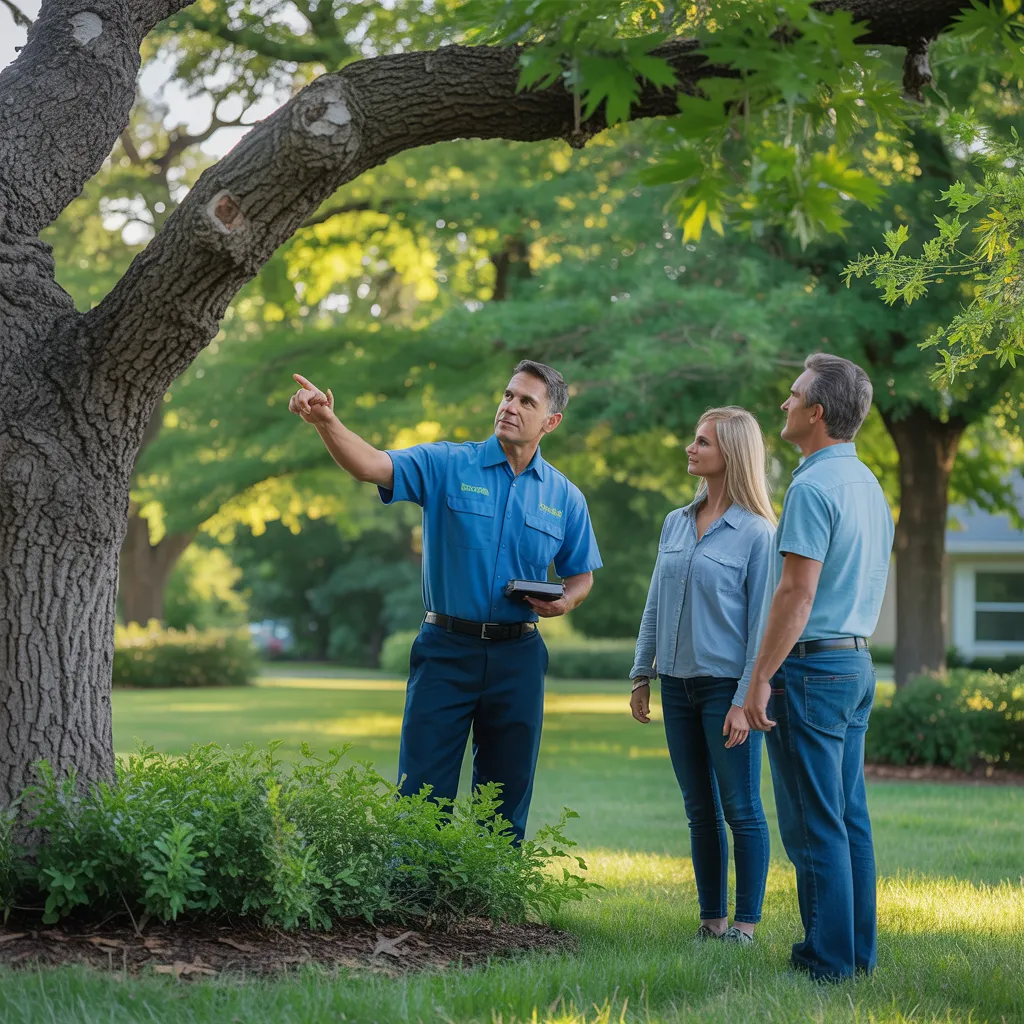
The Significance of Routine Tree Care
Consistent tree maintenance is crucial for the health and longevity of trees, impacting both their aesthetic appeal and structural integrity. Overlooking trees can result in various issues, including disease, pest infestations, and structural weaknesses. Regular checks facilitate the early identification of problems, fostering timely interventions that can stop further damage.
Moreover, regular maintenance enhances the overall appearance of a landscape, contributing to property value and neighborhood aesthetics. Cutting and maintenance can boost light penetration and air circulation, encouraging healthier growth.
In addition, maintaining trees minimizes the hazards linked to falling limbs, which can pose hazards to nearby structures and individuals. A properly maintained tree canopy can also provide substantial shade, support local ecosystems, and improve air quality. Thus, incorporating regular tree maintenance into property care assures not only the health of trees but also the safety and beauty of the local environment.
Expert Pruning Methods for Stronger Trees
Expert tree pruning methods not only enhances their health but also improves their growth potential. Expert arborists use specific methods to ensure that trees receive the essential care while minimizing harm. Proper pruning involves removing dead or diseased branches, which can stop the spread of pests and diseases. It also encourages airflow and sunlight penetration, essential for photosynthesis and overall vitality.
Proper seasonal timing proves vital; pruning in the dormant phase helps trees to heal more efficiently. Techniques such as thinning, selective pruning, and crown reduction support sustaining the tree's natural shape and structural integrity. In addition, professionals are trained to detect the evidence of stress or imbalance, enabling targeted interventions. Finally, implementing professional pruning techniques promotes the longevity and aesthetic appeal of trees, making them a significant part of any landscape. Well-maintained trees not only boost property value but also supply environmental benefits for the surrounding ecosystem.
Fertilization: Boosting Tree Growth and Vitality
After making certain trees are appropriately pruned, the next step in encouraging their health and growth is efficient fertilization. This significant process provides essential nutrients that trees demand for healthy development and vigor. Fertilization typically involves introducing a balanced mix of nitrogen, phosphorus, and potassium, which are essential for enhancing root strength, foliage production, and overall resilience.
Timing is crucial; spring and fall are ideal for feeding, as trees can easily take in nutrients during their active growth phases. Soil testing can determine specific nutrient gaps, allowing for tailored fertilization approaches.
In addition, organic fertilizers are favored for their slow-release attributes and advantageous environmental impact. Proper application strategies, such as broadcasting or deep root feeding, can further optimize nutrient uptake. By deploying a strategic fertilization regimen, tree care professionals can ensure trees thrive, promoting a healthier landscape and ecosystem.
Recognizing and Controlling Tree Health Issues
In what ways can tree owners effectively recognize and handle diseases that threaten their greenery? To begin, they should observe their trees regularly for symptoms of distress, such as discolored leaves, wilting, or unusual growth patterns. Identifying the specific disease often requires a professional assessment, as various pathogens can produce similar symptoms.
Those who own trees ought to also learn about common tree diseases in their locality, including fungal infections, bacterial blights, and viral issues. After identifying a disease, management strategies may include pruning infected branches, increasing air circulation, and applying proper fungicides or pesticides.
Preventive measures, like proper watering, fertilization, and mulching, can greatly decrease the likelihood of disease onset. Moreover, seeking advice from certified arborists can offer valuable guidance and treatment options tailored to the specific needs of the trees, maintaining their health and longevity in the landscape.
Expert and Safe Tree Removal Services
Tree diseases can sometimes necessitate the removal of affected trees to protect surrounding vegetation and maintain landscape health. Expert and safe tree removal services are crucial for ensuring that this process is performed with minimal disruption and risk. Professional arborists are equipped with the experience and tools necessary to analyze the condition of trees and determine the most appropriate removal methods.
Leveraging advanced methods, these professionals can navigate complex removal situations, such as trees placed near structures or power lines. They prioritize safety by employing proper rigging and cutting practices to prevent accidents and collateral damage. Moreover, environmentally responsible disposal approaches help reduce waste, turning removed trees into mulch or firewood.
Tree Emergency Services: When Every Moment Counts
Emergency tree care becomes vital in the aftermath of severe storms, where harmed trees create urgent hazards to both safety and structures. Quick response and hazardous tree assessment are essential to avoid additional incidents and ensure effective management of fallen or leaning trees. Tackling these problems immediately can mitigate risks and enable a safer environment for affected communities.
Storm Damage Response
When a storm strikes, the aftermath can leave property owners facing urgent challenges, particularly concerning damaged trees. Damaged limbs and collapsed trees pose direct threats to safety and property. Immediate response is critical; delayed action can exacerbate damage and create perilous environments. Expert arborist teams offer immediate support, including waste clearance and stabilization of impacted specimens. These experts assess the situation to determine the most secure approach, ensuring minimal disruption to the landscape. Utilizing specialized equipment, they effectively clear storm wreckage, preventing further injuries or property damage. Moreover, they provide advice on future precautionary steps to lessen storm-related risks. Prompt action not only reestablishes security but also maintains the condition of the landscape.
Hazardous Tree Assessment
Evaluating hazardous trees is vital in the aftermath of severe weather events, where compromised trees can threaten lives and property. Specialized arborists conduct thorough assessments to identify trees that exhibit evidence of instability, such as cracks, leaning trunks, or extensive decay. These professionals utilize specific criteria and tools to evaluate the risk posed by each tree, establishing if removal or additional support is required. In urgent situations, swift action is vital to mitigate hazards, especially in residential areas where fallen limbs can cause considerable damage. Regular inspections, particularly after storms, are essential for maintaining a safe landscape. By prioritizing hazardous tree assessments, property owners can ensure both their safety and the longevity of their surrounding environment.
Boosting Aesthetics: Landscape Design With Trees in Mind
While many homeowners focus on flowers and shrubs to enhance their outdoor spaces, adding trees to landscaping can substantially improve the entire aesthetic. Trees supply vertical dimension and form a natural setting, introducing depth and layers to gardens. Their diverse heights and seasonal transformations create a vibrant landscape all year long.
Well-placed trees can also enhance views, improve privacy, and create shaded areas, making outdoor spaces more welcoming. Selecting learn now native species guarantees that trees prosper in their environment while supporting local wildlife. Moreover, the use of trees can complement hardscapes and provide a sense of balance in design.
Integrating trees into landscaping is not simply about visual appeal; it also delivers practical benefits like decreasing energy costs and improving air quality. By carefully integrating trees into their designs, homeowners can achieve a harmonious blend of aesthetics and practicality, transforming their properties into beautiful, sustainable retreats.
Questions & Answers
How Often Do I Need to Book Tree Maintenance Services?
Tree maintenance services should typically be scheduled annually, while individual needs might change depending on tree species, age, and health. Regular assessments can help determine if more frequent services are required for proper care.
What Are the Warning Signs That a Tree Should Be Removed?
Signs suggesting a tree may need removal include significant trunk damage, widespread decay, significant leaning, numerous dead branches, and signs of disease. Moreover, roots emerging or compromised stability can also necessitate consideration for removal.
Do Tree Services Help In Landscaping Design?
Indeed, tree services can assist with landscaping design by delivering expertise in selecting suitable trees, ensuring appropriate placement, and maintaining a harmonious balance between vegetation and aesthetics, consequently improving the overall appeal of outdoor spaces.
Do Tree Services Have Insurance and Licensing?
Professional tree services are usually required to carry insurance and proper licensing, confirming they adhere to industry standards and regulations. This safeguards both the service provider and the client from potential legal exposure during tree care and landscaping projects.
What Tree Varieties Are Most Suitable for My Location?
To identify the optimal tree species for an area, you must consider regional climate, soil conditions, and native species. Reaching out to local horticulturists or extension services can deliver tailored recommendations for optimal growth and health.